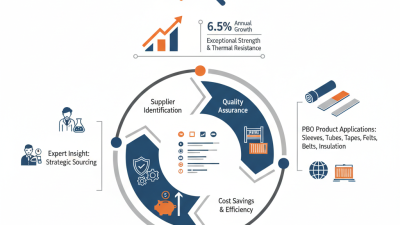
When it comes to high-performance applications, pbo fiber yarn really can’t be overlooked. Experts like Dr. Emily Carter, a well-respected material scientist at Fiber Innovations, often highlight just how special this material is. She mentions, “PBO fiber yarn is known for its impressive strength and ability to withstand high temperatures.” That’s why it’s such a popular pick in a bunch of industries—think high-temperature insulation and advanced composite materials.
But honestly, PBO fiber yarn isn’t just some product on the shelf; it’s a symbol of some of the most cutting-edge tech out there. Its versatility means you’ll find it in everything from PBO fiber sleeves and tubes to tapes, all tailored for different needs. Many engineers who work in high-performance fields swear by these materials when they need top-notch thermal insulation. Still, the industry faces hurdles—like figuring out how to make these materials more sustainable and cost-effective. Developing things like PBO Felt and PBO belts could really push performance even further, but we’ve gotta consider the environmental impact alongside that.
As we keep pushing to find better materials, it’s worth asking some tough questions: How can we tweak PBO fiber yarn to make it even better? And what are the limits when it comes to things like the PBO thermal insulation tubes? Thinking about these questions isn’t just academic—it’s what drives innovation and helps us better understand how PBO fiber yarn can shape our future projects.
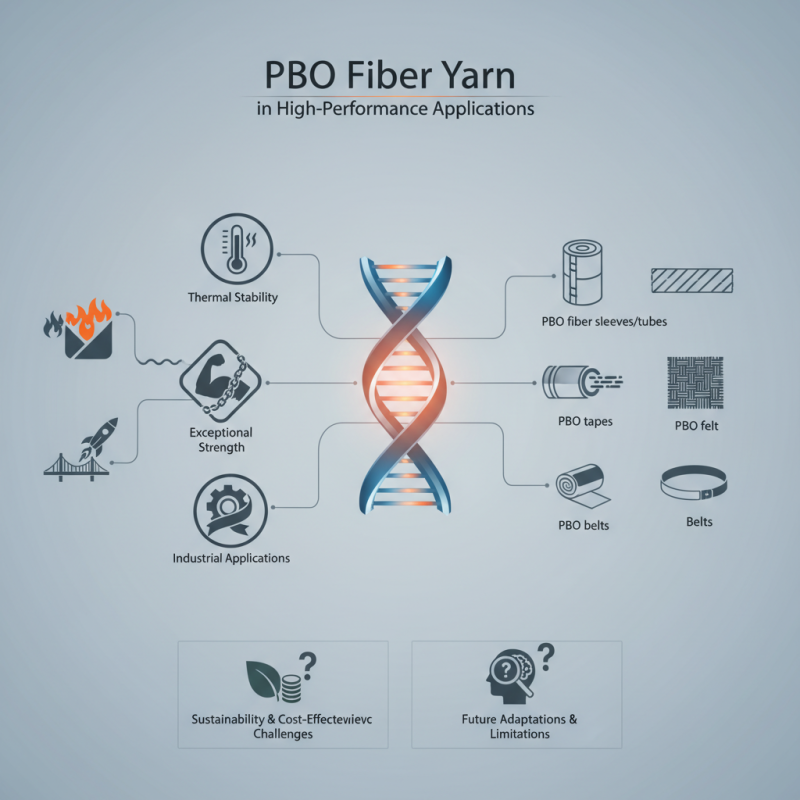
Overview of PBO Fiber Yarn and Its Properties
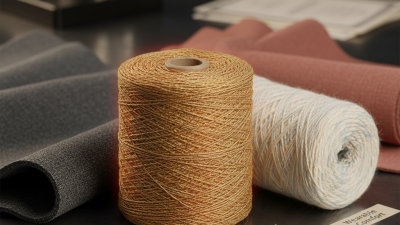
PBO fiber yarn, known as PBO filament, is a remarkable material valued for its unique properties. It boasts exceptional heat resistance, capable of withstanding high temperatures without degradation. This feature makes pbo filament Zylon PBO filament ideal for applications in demanding environments, such as aerospace and automotive industries. Its lightweight nature enhances performance while minimizing overall weight, a crucial factor in high-performance designs.
The tensile strength of PBO fiber yarn is another notable property. This yarn exhibits superior durability, making it suitable for high-stress applications. Its high tensile strength ensures that products can endure extreme conditions without failing. However, handling PBO yarn requires caution. The fibers can be somewhat difficult to work with, and their stiffness may require specialized equipment during production.
PBO filament Zylon PBO filament also has low thermal conductivity, which helps protect components from heat. However, while these properties are advantageous, they can make the material more challenging to process compared to traditional fibers. This complexity can lead to inconsistent results if not managed properly. Every advantage comes with its set of challenges, urging users to reflect on their specific needs and consider the implications of using PBO fiber yarn in their projects.
Applications of PBO Fiber Yarn in High-Performance Industries
PBO fiber yarn is increasingly crucial in high-performance applications. Industries such as aerospace and automotive require materials that withstand extreme conditions. pbo fiber thermal resistant yarn exhibits remarkable strength and heat resistance, making it suitable for these sectors. According to a recent report by TechSci Research, the demand for high-performance fibers is expected to grow significantly, reaching over $24 billion by 2025.
Applications extend beyond traditional uses. For example, in the aerospace sector, PBO fibers provide lightweight yet sturdy materials for thermal protection systems. Aerospace components often face intense heat during re-entry into the atmosphere. PBO fiber thermal resistant yarn mitigates risks associated with material failure. This characteristic is vital for mission success and crew safety.
In the automotive industry, PBO fibers find uses in brake systems and fireproof clothing for crew members. A study by MarketsandMarkets indicates a shift toward lightweight materials for fuel efficiency. Yet, challenges remain. The high cost of PBO fibers can limit their adoption across some applications. Continuous innovation is crucial to enhance affordability and functionality.
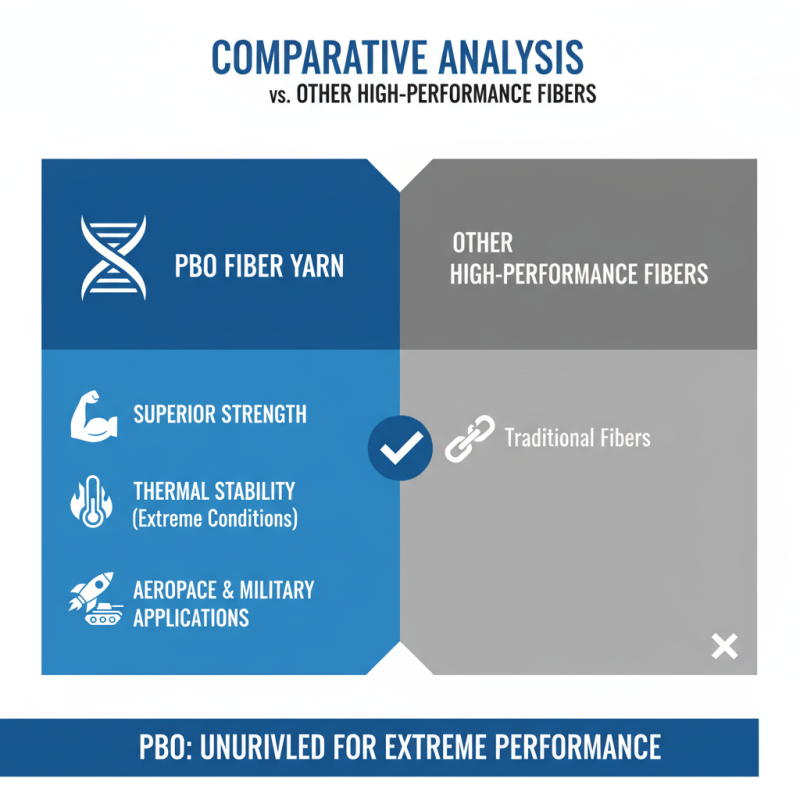
Comparative Analysis: PBO Fiber Yarn vs. Other High-Performance Fibers
PBO fiber yarn stands out in high-performance applications. Its unique properties make it a compelling choice for various industries. Unlike traditional fibers, PBO offers superior strength and thermal stability. This makes it ideal for use in extreme conditions, such as aerospace and military applications.
When compared to other high-performance fibers, PBO shows notable advantages. For example, aramid fibers are strong but lack the thermal resistance of PBO. Similarly, carbon fibers excel in rigidity but can be brittle. PBO fibers provide a balance of strength and flexibility. They have excellent fatigue resistance, crucial for applications requiring durability.
Despite its benefits, PBO is not without drawbacks. The production process can be complex, potentially increasing costs. Users should weigh these factors when selecting a material. Additionally, the availability of PBO may vary, resulting in supply chain considerations. Evaluating these aspects is essential for making informed decisions in high-performance fiber applications.
Strength and Durability Metrics of PBO Fiber Yarn
PBO (Polybenzoxazole) fiber yarn is gaining attention in high-performance applications due to its exceptional strength and durability. Reports indicate that PBO fiber exhibits tensile strength exceeding 600 MPa. This is significantly higher than traditional fibers. Additionally, PBO maintains its properties under extreme temperatures, making it suitable for various demanding environments.
In practical terms, the durability of PBO yarn is highlighted in its resistance to abrasion and chemicals. The ISO standard testing shows that PBO fibers outperform many alternatives in longevity. These attributes make PBO fiber particularly useful in aerospace, military, and industrial applications. However, despite its advantages, users should consider the challenges in processing PBO fiber. Its stiffness can complicate twisting and weaving, leading to potential inconsistencies in final products.
**Tips:** When sourcing PBO yarn, verify the fiber's specs through reliable suppliers. Always conduct a small-scale test to assess its behavior in your specific application. Keep in mind that while PBO offers remarkable properties, it is essential to balance these with any processing limitations.
Strength and Durability Metrics of PBO Fiber Yarn
Thermal Resistance and Safety Features of PBO Fiber Yarn
PBO fiber yarn is gaining attention for its remarkable thermal resistance. This type of fiber can withstand extreme temperatures, often up to 1000 degrees Fahrenheit. This durability makes it suitable for high-performance applications across various industries, including aerospace and firefighting.
Recent industry studies highlight PBO fiber’s outstanding safety features. Its low thermal conductivity minimizes heat transfer, protecting wearers from severe burns. A report from the Institute of Advanced Materials noted that PBO fibers show less than 2% degradation at high temperatures after prolonged exposure. This characteristic is crucial for safety gear and equipment.
However, challenges remain. PBO fiber requires careful handling during manufacturing. Improper processing can lead to defects. Moreover, not all applications can fully utilize its properties. Understanding PBO's limitations is essential. Continuous research is necessary to fully optimize its efficiency. The evolving landscape of material science will influence future developments in PBO applications.
Market Trends and Future Outlook for PBO Fiber Yarn Applications
The market for PBO fiber yarn has shown remarkable growth in recent years. A report from a leading research firm indicates that the global market is poised to exceed $2 billion by 2025. This surge is driven by the increasing demand in aerospace and defense, where materials must withstand extreme conditions. The lightweight and high strength properties of PBO fiber high strength yarn make it an ideal choice for such applications.
Looking ahead, trends indicate a shift towards sustainability. Manufacturers are exploring ways to enhance production processes while reducing waste. Advanced techniques such as recycling and efficient sourcing of raw materials are gaining traction. This not only benefits the environment but also appeals to an increasingly eco-conscious consumer base.
Tip: When selecting PBO fiber yarn for your projects, consider the specific performance requirements. Not every application demands the highest grades. Assessing the needed strength and heat resistance can lead to cost-effective choices.
The competitive landscape is evolving rapidly. Startups and established players are investing in R&D to push the boundaries of PBO fiber applications. However, challenges remain, such as the high cost of raw materials. Firms must navigate these hurdles to ensure sustainable growth and innovation potential in the PBO market.
Best Pbo Fiber Yarn for High Performance Applications? - Market Trends and Future Outlook for PBO Fiber Yarn Applications
| Application Area | Performance Requirement | Market Share (%) | Growth Rate (CAGR %) | Future Outlook (2025) |
| Aerospace | High Temperature Resistance | 25 | 6 | Stable Growth |
| Automotive | Lightweight and Durable | 20 | 5.5 | Increasing Demand |
| Sports Equipment | High Tensile Strength | 15 | 7 | Expanding |
| Military | Ballistic Protection | 18 | 4.8 | Sustained Interest |
| Industrial | Chemical Resistance | 12 | 5 | Steady Growth |
Evaluation Criteria for Selecting High-Performance PBO Fiber Yarn
When selecting a high-performance PBO fiber spun yarn, there are several key criteria to consider. The first aspect is tensile strength. This measure indicates how much force the yarn can withstand before breaking. High tensile strength is essential for applications in aerospace and military fields. Another important criterion is heat resistance. PBO fiber is known for its superior ability to withstand high temperatures, making it suitable for protective clothing and thermal insulation.
The spinning process also affects the yarn’s properties. A well-structured spinning technique enhances durability and flexibility. Evaluating the twist rate is crucial. A tighter twist can improve strength, but may reduce pliability. Finding the right balance is important for specific applications. Moreover, examining the fiber's compatibility with various blends can lead to better performance in complex environments.
Finally, considering the yarn's abrasion resistance is vital. In demanding applications, wear and tear can significantly impact longevity. A high-performance PBO fiber spun yarn should exhibit excellent resistance to damage. Identifying these characteristics can be challenging. It often requires testing under various conditions. This hands-on approach can lead to more informed choices. Therefore, caution in selection can deliver valuable long-term benefits.
Exploring the Benefits and Applications of Anti-Static Stainless Steel Fiber Blended Conductive Yarn in Modern Textiles
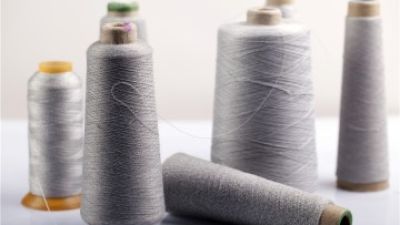
The integration of anti-static stainless steel fiber blended conductive yarn in modern textiles has become a significant advancement in the industry, offering extensive benefits that enhance both functionality and durability. These yarns, which typically combine stainless steel fibers with traditional materials such as cotton, polyester, aramid, and wool, harness the unique properties of stainless steel to create a product that not only demonstrates electrical conductivity but also exhibits excellent anti-static characteristics. According to a report by ResearchAndMarkets, the global conductive yarn market is projected to grow significantly, driven by the increasing demand for smart textiles and electronic wearables, which highlights the importance of such innovative materials.
Stainless steel fibers are known for their stability in conductivity, which ensures longevity in applications. They resist moisture and oxidation, making them well-suited for environments where sweat resistance and durability are critical factors. Furthermore, these hybrid yarns offer permanent conductivity, which is crucial for applications in the automotive, aerospace, and healthcare industries, where consistent performance is essential. The incorporation of stainless steel fibers allows textiles to provide EMI (Electromagnetic Interference) shielding properties, adding another layer of functionality to garments and materials used in specific tech-driven applications.
The versatility of these conductive yarns enables their use in a range of products, from smart apparel that can monitor health metrics to industrial textiles that require enhanced safety features. By blending stainless steel with synthetic fibers like polyester, manufacturers can produce textiles that not only meet modern electrical requirements but also retain the aesthetic and tactile qualities of conventional fabrics. As the industry continues to evolve, the demand for such advanced materials is expected to rise, paving the way for significant innovations in textile technology.
FAQS
: PBO fiber yarn is known for its exceptional heat resistance and lightweight nature.
Heat resistance allows PBO fiber yarn to be used in demanding environments like aerospace and automotive industries.
PBO fiber yarn has superior tensile strength, making it durable for high-stress applications.
Yes, PBO yarn can be difficult to work with due to its stiffness and requires specialized equipment.
Low thermal conductivity helps protect components from heat, enhancing overall performance and safety.
The spinning process affects the yarn’s durability and flexibility, impacting its performance in applications.
Abrasion resistance is crucial for maintaining longevity in demanding applications, preventing wear and tear.
The high cost of PBO fibers can limit their use, despite their benefits in high-performance applications.
Users should consider tensile strength, heat resistance, spinning quality, and abrasion resistance for optimal performance.
Yes, innovation is necessary to enhance affordability and functionality in high-performance applications.
Conclusion
PBO Fiber Yarn, known for its exceptional performance characteristics, has emerged as a leading choice in high-performance applications. This advanced material showcases remarkable strength, durability, and an unmatched thermal resistance, making it ideal for industries that demand superior reliability under extreme conditions. The unique properties of PBO Fiber Yarn allow it to outperform many other high-performance fibers, particularly in terms of tensile strength and resistance to high temperatures.
As the market for high-performance materials continues to evolve, the demand for PBO Fiber Yarn is expected to grow, propelled by new applications across various sectors such as aerospace, automotive, and protective clothing. Evaluating the best PBO Fiber Yarn for specific applications requires careful consideration of its strength, thermal resistance, and safety features, alongside an understanding of market trends that shape its future use.